Call us now :08071931880
 Send Inquiry
 Send Inquiry
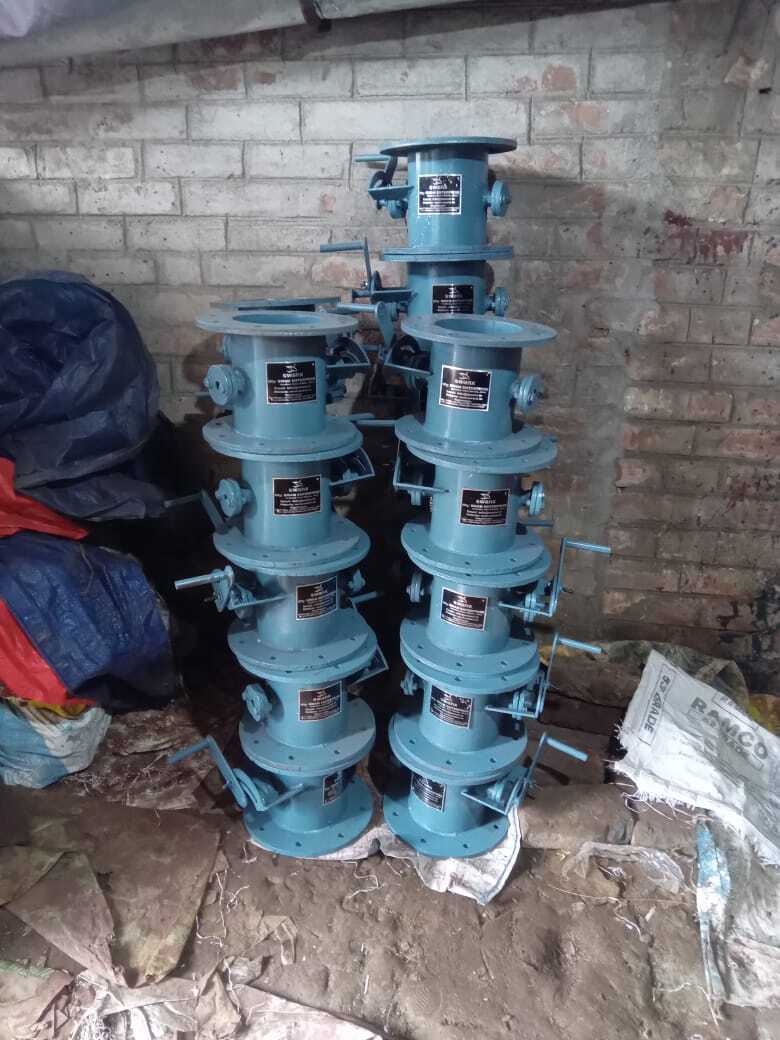
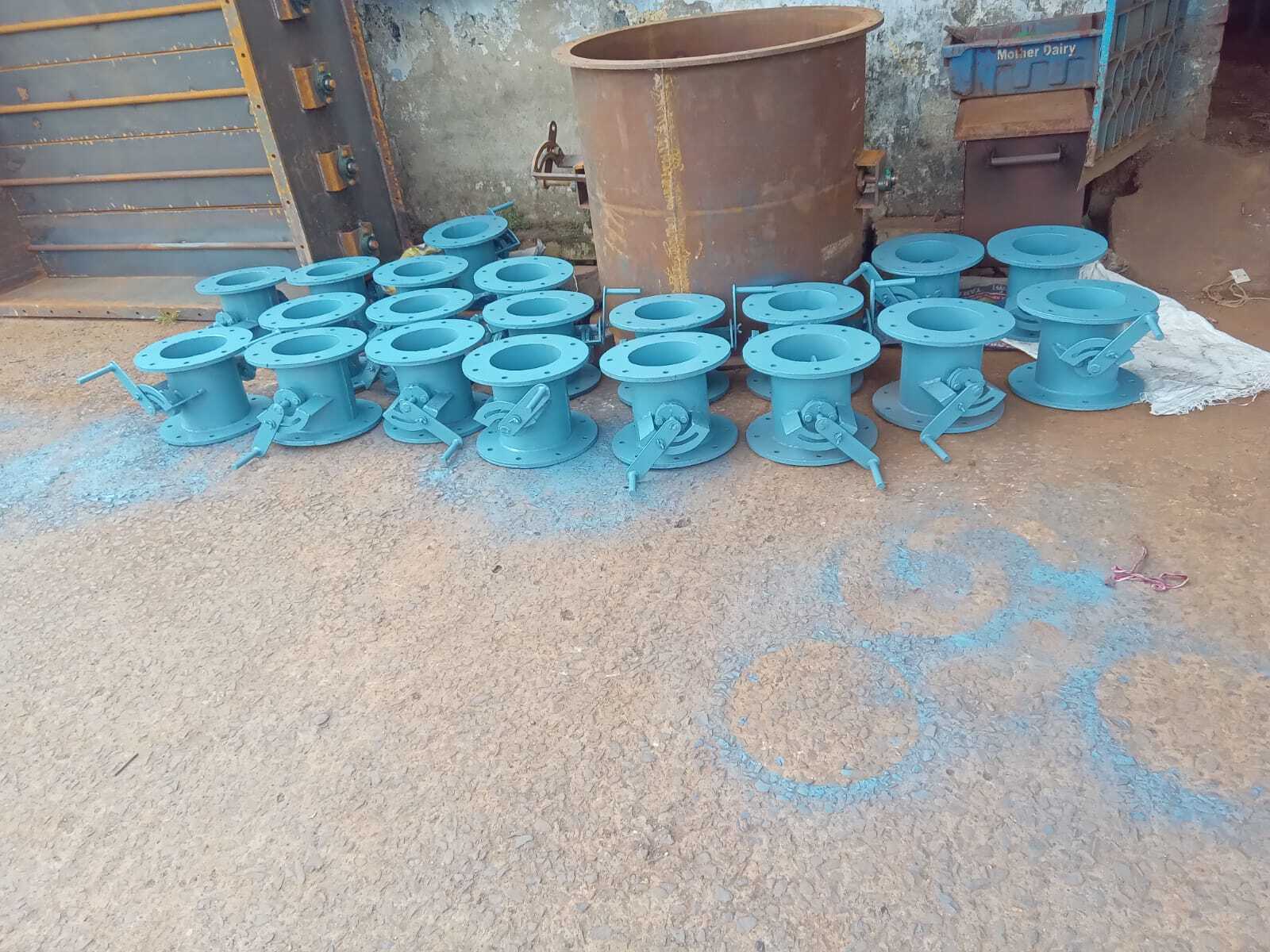
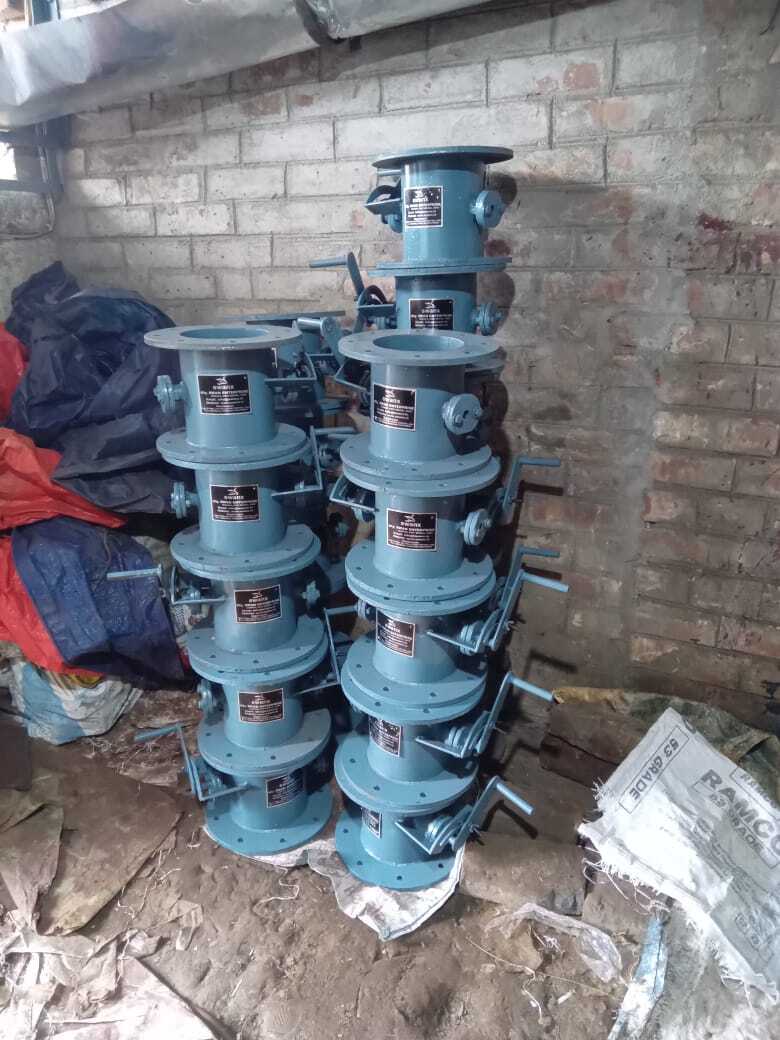
Industrial Damper
Price 25500 INR/ Piece
MOQ : 2 Pieces
Industrial Damper Specification
- Power Source
- Electric
- Accessories Type
- Mounting Brackets
- Operating Pressure
- Up to 6 Bar
- Accuracy
- High
- Surface Treatment
- Anti-corrosive Coated
- Features
- Robust Construction, Rust Proof, Leak Tight
- Technology
- Advanced Flow Control
- Automation Grade
- Semi-Automatic
- Control System
- Manual/Actuator Based
- Machine Type
- Air Handling Unit
- Type
- Industrial Damper
- Material
- Galvanized Steel
- Function
- Regulates Airflow
- Application
- HVAC, Industrial Ventilation
- Voltage
- 220V/380V
- Blade Thickness
- 1.0mm - 2.5mm
- Mounting Options
- Flanged / Slip-on
- Fire Resistance
- Optional Fire Rated Versions Available
- Frame Thickness
- 1.2mm - 3mm
- Temperature Range
- -10°C to +80°C
- Size Range
- Customized as per requirement
- Blade Design
- Parallel or Opposed Blade
- Connection
- Square / Rectangular / Circular
- Finish
- Epoxy Coated, Hot Dip Galvanized, Mill Finish
- Leakage Class
- Class 2 as per EN 1751
Industrial Damper Trade Information
- Minimum Order Quantity
- 2 Pieces
- Supply Ability
- 100 Pieces Per Week
- Delivery Time
- 35 Days
- Sample Available
- Yes
- Sample Policy
- Contact us for information regarding our sample policy
- Main Domestic Market
- All India
About Industrial Damper
Dampers are mainly located at duct work. Dampers maintain air quality and provide worker safety, which is why they are essential for industrial airflow regulation.
There are different types of Industrial Dampers like- Butterfly Damper, Multi-Louver Damper, Single Blade Damper, Backdraft and Pressure-Relief Damper, Bypass Damper, Inlet Vane Damper, Isolation Damper etc.
Versatile Damper Design for Every Application
Adapted for both HVAC and industrial ventilation systems, this damper is constructed from high-quality galvanized steel and supports a range of temperatures from -10C to +80C. Its availability in parallel or opposed blade arrangements, customizable sizing, and multi-shape connections ensure tailored integration into diverse environments, including air handling units.
Premium Finishes and Anti-Corrosive Protection
The dampers surfaces are treated with advanced anti-corrosive coatings and offered in epoxy coated, hot dip galvanized, or mill finishes. These protective treatments, paired with robust construction, ensure long-term durability and dependable leak-tight performance even in challenging environments. Rust proofing further extends service life.
Flexible Control and Mounting Options
This damper supports both manual and actuator-based operation and can be installed using either flanged or slip-on mounting methods. Its automation grade is semi-automatic, catering to various project requirements. Accessories such as mounting brackets are included to support secure and efficient installation.
FAQs of Industrial Damper:
Q: How is this industrial damper used in HVAC or ventilation systems?
A: The damper is installed in ductwork of HVAC or industrial ventilation systems to control and regulate airflow. Depending on system needs, it can be used for fresh air intake, exhaust, or balancing air distribution within an air handling unit or industrial facility.Q: What types of blade designs are available and what are their advantages?
A: This damper is offered with parallel or opposed blade designs. Parallel blades are ideal for quick opening and closing, while opposed blades allow finer control and uniform airflow management, enhancing accuracy and efficiency in different applications.Q: When should optional fire-rated damper versions be selected?
A: Fire-rated versions are recommended in installations where fire safety compliance is essential, such as in commercial buildings or industrial spaces with strict fire protection regulations. These dampers help contain fire and smoke within designated zones in the event of an emergency.Q: Where can this damper be installed and which connection shapes are supported?
A: The damper is suitable for square, rectangular, or circular duct systems, making it compatible with a wide array of HVAC and ventilation installations. Customized sizing ensures precise fitment in new or existing setups, whether retrofitting or new construction.Q: What is the process for selecting the appropriate mounting and finish options?
A: Selection depends on the installation environment and operational requirements. Choose between flanged or slip-on mounting based on duct configuration. For finish, consider epoxy coated or hot dip galvanized for enhanced corrosion resistance, especially in humid or harsh environments, while mill finish is suitable for standard applications.Q: How does the dampers accuracy benefit air handling performance?
A: High accuracy in blade operation ensures precise airflow control, which enhances the overall efficiency of HVAC or industrial ventilation systems. This helps maintain desired air quality, temperature, and pressure conditions within the facility.Q: What are the main benefits of the dampers advanced flow control and automation features?
A: Advanced flow control technology and optional actuator-based automation deliver consistent, at-will adjustments to airflow. This optimizes energy usage, improves operational efficiency, and reduces manual intervention, benefiting both building managers and facility operators.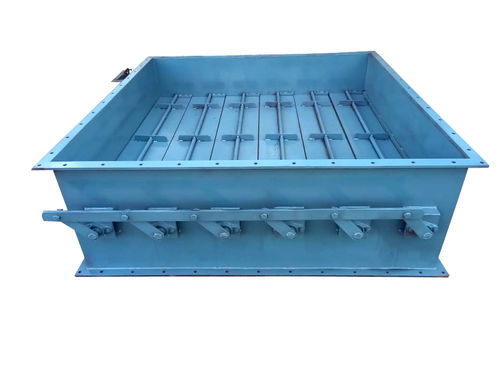
Tell us about your requirement

Price:
Quantity
Select Unit
- 50
- 100
- 200
- 250
- 500
- 1000+
Additional detail
Mobile number
Email

More Products in Industrial Damper Category
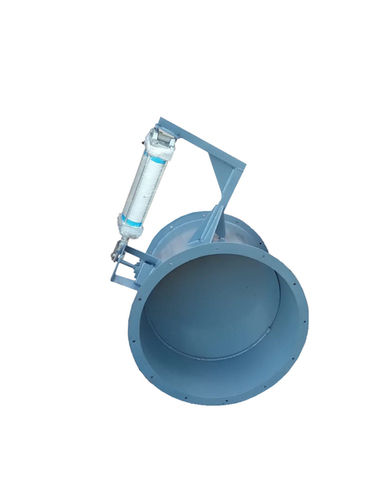
Butterfly Damper
Price 6500 INR / Set
Minimum Order Quantity : 15 Sets
Material : Stainless Steel
Usage : Industrial
Surface Treatment : Polished
Color : Blue


 Send Inquiry
Our Products
- Rotary Airlock Valve Manufacturers
- Screw Conveyor
- Slide Gate valve
- ESP Rapping Spares
- Ash Conditioner
- Coal Injector
- Pulse Jet Bag Filter Spares
- Industrial Damper
- Expansion Joint Bellow
- Boiler ID Fans (Durable)- Manufacturers
- Industrial Screw Conveyor
- vertical screw conveyor
- Horizontal screw conveyor
- Multi Screw Conveyor
- Ms Screw Conveyor Manufacturers
- Diverter Gate Valve
- Knife Gate Valves
- Wheel Bush

Ward No. 50, Village Kashipur, Post Office & Taluka Dasnagar,Howrah - 711105, West Bengal, India

Mr Sujit
(Proprietor)
Mobile :08071931880
 Send Inquiry
 Send SMS
Developed and Managed by Infocom Network Private Limited.
